
 NU is all about fresh perspectives. So is our website.
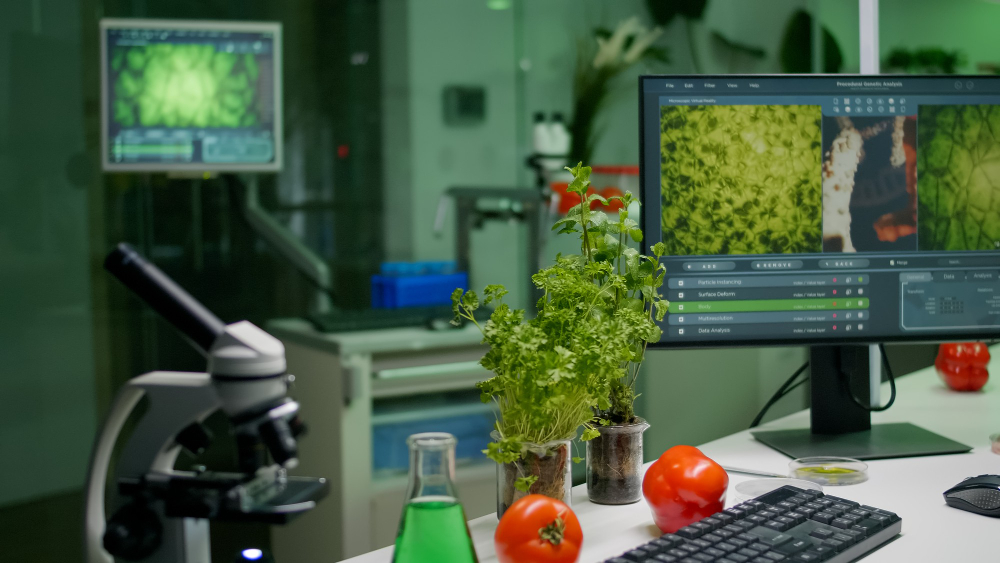
Biotechnology is transforming healthcare, agriculture, food production, environmental sustainability, and pharmaceutical research. By combining biology with engineering and technology, this field helps develop innovative solutions to real-world challenges, from improving crop quality to advancing drug discovery and developing sustainable manufacturing processes.
If you are considering a BTech in Biotechnology, you may have questions about its career opportunities, future scope, job prospects, and higher education options. Is BTech Biotechnology a good choice for biology students? What can you do after completing the degree? Which industries hire biotechnology graduates?
A BTech Biotechnology degree can open pathways into research and development, bioprocess engineering, bioinformatics, pharmaceutical manufacturing, food technology, environmental biotechnology, and other related fields. Your career options will depend on your technical skills, practical experience, specialisation, and professional goals.
At NIIT University, the BTech Biotechnology programme combines scientific foundations, hands-on laboratory learning, computational training, research projects, and industry exposure to help students explore opportunities across modern life sciences.
Let’s explore the scope of BTech Biotechnology, the seven career opportunities you should know about, and the options available after graduation.
BTech Biotechnology is an undergraduate engineering programme that combines biological sciences with engineering principles and technology. It focuses on applying scientific knowledge to develop solutions for healthcare, agriculture, pharmaceuticals, food processing, environmental management, and industrial production.
The programme typically covers subjects such as molecular biology, microbiology, genetics, biochemistry, genetic engineering, immunology, bioinformatics, and bioprocess technology. Depending on the university and curriculum, students may also gain experience in computational biology, tissue culture, animal cell culture, and environmental biotechnology.
Unlike programmes that focus primarily on theoretical biological sciences, BTech Biotechnology emphasises the practical application of scientific concepts through laboratory experiments, technical projects, research, and industry-oriented learning.
For students interested in biology as well as technology, a BTech in Biotechnology can provide a foundation for careers in research, manufacturing, healthcare, agriculture, and computational life sciences.
Yes, BTech Biotechnology can be a suitable option for students interested in biology, scientific research, technology, and innovation. It is particularly relevant for students who want to understand how biological systems can be used to solve problems in medicine, food production, agriculture, and environmental sustainability.
Students from eligible Class 12 science streams can explore this programme, subject to the university’s admission requirements.
Here are some reasons to consider BTech Biotechnology:
Multiple career pathways: Graduates can explore roles in biotechnology companies, pharmaceutical organisations, food processing, healthcare research, agricultural technology, and environmental services.
Combination of biology and technology: The programme connects biological concepts with engineering applications, laboratory techniques, and computational tools.
Research opportunities: Students can develop skills through laboratory work, research projects, and scientific investigations.
Emerging areas of specialisation: Fields such as genomics, bioinformatics, computational biology, bioprocessing, and biotechnology-driven healthcare offer opportunities for further learning.
Higher education options: Graduates can pursue master’s degrees, specialised postgraduate programmes, an MBA, or research-oriented qualifications.
However, biotechnology is not the same as a guaranteed job pathway. Students should evaluate the curriculum, practical training, research facilities, internship opportunities, and career support offered by a university before choosing a programme.
The scope of BTech Biotechnology extends across industries that use biological systems, scientific research, and technology to develop products or improve processes.
Biotechnology graduates may explore opportunities in the following sectors:
| Industry | Potential areas of work |
|---|---|
| Pharmaceuticals and biopharmaceuticals | Drug development, biological products, production and quality assurance |
| Healthcare and diagnostics | Molecular diagnostics, clinical research and laboratory support |
| Agriculture | Plant biotechnology, crop improvement and agricultural research |
| Food and beverages | Food microbiology, fermentation, food safety and quality control |
| Environmental services | Wastewater treatment, bioremediation and waste management |
| Bioinformatics and computational biology | Genomic data analysis, biological databases and computational research |
| Industrial biotechnology | Bioprocessing, enzyme technology and fermentation-based manufacturing |
| Research and academia | Scientific research, project assistance and preparation for advanced studies |
The opportunities available to an individual graduate will depend on the employer’s requirements, relevant technical skills, practical experience, and the level of qualification required for the role.
For students interested in the future of biotechnology, building a strong foundation in laboratory techniques, data analysis, scientific communication, and research methods can be particularly valuable.
If you are exploring BTech Biotechnology jobs, the degree can lead to several career paths across research, manufacturing, computational science, healthcare, and business.
Here are seven career options to consider after completing a BTech in Biotechnology.
Environmental biotechnology applies biological processes to environmental challenges, including pollution control, wastewater treatment, and waste management.
Environmental biotechnologists work with microorganisms, biological systems, and treatment processes to help reduce environmental pollution and improve resource management.
What does an environmental biotechnologist do?
Support wastewater treatment and environmental monitoring.
Assist with bioremediation projects that use biological processes to address contamination.
Study microbial activity in waste management and pollution control.
Contribute to sustainability and environmental research projects.
Potential job roles:
Environmental Biotechnology Associate
Environmental Laboratory Analyst
Bioremediation Research Assistant
Wastewater Treatment Analyst
Skills to develop: Environmental microbiology, laboratory testing, analytical techniques, and environmental monitoring.
Students interested in sustainability can explore this field as a way to apply biotechnology to environmental protection and resource management.
Plant biotechnology focuses on understanding and improving plant systems through scientific techniques. It has applications in crop research, plant tissue culture, agricultural biotechnology, and the development of plants with desirable characteristics.
This career path can interest students who want to combine biology with agriculture, food security, and sustainable farming.
What does a plant biotechnology specialist do?
Work with plant tissue culture and plant propagation techniques.
Support research into plant growth, disease resistance, and crop characteristics.
Study plant physiology and plant-pathogen interactions.
Assist in agricultural biotechnology and crop improvement projects.
Potential job roles:
Plant Biotechnology Research Assistant
Plant Tissue Culture Technician
Agricultural Biotechnology Associate
Plant Breeding Research Assistant
Skills to develop: Plant physiology, plant pathology, tissue culture, molecular biology, and laboratory research.
A foundation in these subjects can help graduates explore opportunities in agricultural research organisations, biotechnology companies, and plant science laboratories.
Industrial biotechnology uses biological systems, enzymes, and microorganisms to manufacture products and improve industrial processes. Applications include fermentation, enzyme production, bio-based chemicals, and other forms of biological manufacturing.
Bioprocess engineering focuses on developing, monitoring, and improving processes used to produce biological materials at different scales.
What does a bioprocess professional do?
Monitor fermentation and biological production processes.
Assist with process development, scale-up, and optimisation.
Evaluate production parameters and maintain process records.
Support quality assurance, process validation, and manufacturing activities.
Potential job roles:
Bioprocess Engineering Associate
Fermentation Technician
Production Associate
Process Development Research Assistant
Quality Control Analyst
Skills to develop: Bioprocess technology, microbiology, fermentation, analytical techniques, process monitoring, and quality control.
Students interested in the engineering and manufacturing side of biotechnology can consider this career path.
Bioinformatics combines biological science with computing and data analysis. It is used to analyse biological information, including genomic and proteomic data, and support research in genetics, drug discovery, molecular biology, and personalised medicine.
Computational biology applies mathematical, statistical, and computational approaches to understand biological systems.
What does a bioinformatics professional do?
Analyse biological sequences and genomic datasets.
Use computational tools to organise and interpret biological information.
Support research involving genomics, proteomics, and molecular modelling.
Assist in biological database management and data-driven research.
Potential job roles:
Bioinformatics Analyst
Genomics Data Analyst
Computational Biology Research Assistant
Biological Database Associate
Skills to develop: Bioinformatics, biological sequence analysis, genomics, statistics, data interpretation, and programming.
Students can strengthen their opportunities in this area by combining biotechnology knowledge with computational skills and practical data-analysis experience.
Food biotechnology applies microbiology and biological processes to food production, fermentation, preservation, quality assessment, and product development.
Professionals in this field help food manufacturers maintain product quality, improve production processes, and investigate new applications of biotechnology in food systems.
What does a food biotechnology professional do?
Support food microbiology and food safety testing.
Monitor fermentation and food processing operations.
Assist with quality control and quality assurance.
Participate in food product development and laboratory research.
Potential job roles:
Food Quality Control Analyst
Food Microbiology Laboratory Assistant
Food Technology Associate
Research and Development Assistant
Skills to develop: Food microbiology, fermentation technology, laboratory analysis, food safety, and quality management.
This career path may suit students interested in food science, industrial microbiology, and the development of innovative food products.
Medical biotechnology applies biological and technological knowledge to healthcare research, diagnostics, therapeutics, and the development of biological products.
Biotechnology graduates can explore entry-level opportunities in clinical research, pharmaceutical research support, laboratory operations, and related healthcare science functions, depending on the specific requirements of the position.
What does a medical biotechnology professional do?
Support laboratory research involving biological samples and experimental methods.
Assist with clinical research documentation and study coordination.
Contribute to pharmaceutical research and development activities.
Support quality documentation and regulated research processes.
Potential job roles:
Clinical Research Coordinator Assistant
Research Associate, where eligible
Pharmaceutical Research Assistant
Medical and Scientific Writing Associate, with suitable writing skills
Quality Assurance Associate
Skills to develop: Molecular biology, laboratory techniques, research documentation, scientific communication, and relevant quality or regulatory practices.
Some specialised clinical, diagnostic, and healthcare roles require additional qualifications, training, certification, or employer-specific eligibility. Students should verify these requirements before choosing a career path.
Biotechnology also offers opportunities outside laboratory-based roles. Business development and regulatory affairs professionals help organisations manage commercial activities, partnerships, product documentation, and compliance requirements.
These roles can suit graduates who combine scientific knowledge with communication, analytical thinking, business understanding, and an interest in industry operations.
Support business research and market analysis.
Coordinate with customers, research teams, and industry partners.
Assist with technical documentation and regulatory submissions.
Contribute to product planning, business operations, and commercial strategy.
Potential job roles:
Biotechnology Business Development Associate
Scientific Sales Associate
Regulatory Affairs Associate
Product or Market Research Associate
Biotechnology Operations Associate
Skills to develop: Scientific communication, market research, regulatory documentation, project coordination, and business fundamentals.
Graduates interested in entrepreneurship can also explore opportunities to develop biotechnology-related products or services, subject to the necessary technical, commercial, and regulatory requirements.
If you are wondering what to do after BTech Biotechnology, you can generally consider three broad directions: starting a career, pursuing higher education, or preparing for research and specialised professional opportunities.
Students who want to enter the workforce can apply for suitable entry-level positions in biotechnology and related industries.
Potential areas include:
Research and development support
Quality control and quality assurance
Pharmaceutical and biological manufacturing
Bioprocessing and fermentation
Food biotechnology and food microbiology
Bioinformatics and biological data analysis
Environmental biotechnology
Clinical research support
Scientific communication and business operations
Your first role may be technical, analytical, operational, or research-oriented. Employers may look for relevant laboratory experience, project work, internships, computational skills, or familiarity with industry procedures.
Higher education can help you develop specialised knowledge, prepare for research-intensive positions, or move towards a particular professional field.
Depending on your interests and eligibility, options may include:
MTech in Biotechnology or a related engineering discipline
MSc in Biotechnology, Molecular Biology, Microbiology, or related life sciences
Master’s programmes in Bioinformatics or Computational Biology
Postgraduate programmes in Biomedical Sciences or Pharmaceutical Sciences
Specialised programmes in Bioprocess Engineering or Environmental Sciences
MBA for business management, marketing, operations, or entrepreneurship
Some programmes have specific prerequisites, entrance examinations, or subject requirements. Check the admission criteria of each institution before applying.
Students interested in scientific discovery can work towards research-oriented qualifications and opportunities.
Depending on the institute and eligibility requirements, possible directions include research assistant positions, funded research programmes, postgraduate research, and doctoral studies.
Research areas may include molecular biology, genetics, drug discovery, genomics, plant biotechnology, environmental biotechnology, and computational biology.
A research career usually requires a combination of strong scientific fundamentals, practical research experience, and further qualifications appropriate to the role.
The future of biotechnology is closely connected to advances in healthcare, agriculture, sustainable manufacturing, environmental science, and computational research.
Several areas are creating new research questions and technical challenges for the biotechnology sector.
1. Genomics and precision medicine
Genomic research helps scientists understand genetic variation and investigate how biological information can support disease research, diagnostics, and the development of more targeted treatments.
2. Bioinformatics and AI-assisted research
Computational tools help researchers analyse large biological datasets, identify patterns, and investigate biological systems. Students with both biological knowledge and data-analysis skills can explore this interdisciplinary area.
3. Biopharmaceuticals and drug discovery
Biotechnology contributes to the development and manufacturing of biological medicines, vaccines, and other therapeutic products. These activities require scientific research, process development, manufacturing expertise, and quality systems.
4. Agricultural biotechnology
Research into plant biology, crop characteristics, plant health, and tissue culture can contribute to agricultural innovation and the development of improved crop varieties.
5. Industrial biotechnology and sustainability
Biological processes can support the production of enzymes, bio-based materials, and other industrial products. Research in this area also investigates resource efficiency and alternatives to selected conventional manufacturing processes.
6. Environmental biotechnology
Biological methods are used in wastewater treatment, pollution management, waste processing, and environmental research.
These areas offer potential directions for biotechnology graduates, but future job availability will depend on industry investment, employer requirements, location, and individual skills. Students should focus on building adaptable scientific, technical, and analytical capabilities rather than relying on industry growth alone.
Choosing the right university is an important step for students who want to build a foundation for a career in biotechnology.
The BTech Biotechnology programme at NIIT University combines scientific learning with laboratory practice, research, computational training, and industry-oriented experience.
The programme covers areas such as microbiology, biological chemistry, analytical techniques, molecular biology, bioinformatics, bioprocess technology, environmental biotechnology, and tissue culture.
This foundation helps students explore different areas before deciding which technical or research pathway interests them most.
Laboratory experience helps students connect theoretical concepts with practical applications. Training in laboratory methods, analytical techniques, and biological experimentation can support the development of technical and problem-solving skills.
Research projects allow students to formulate scientific questions, investigate problems, analyse results, and communicate findings.
These experiences can help students understand the research process and prepare for relevant industry or higher education opportunities.
Modern biotechnology increasingly involves biological data, computational tools, and collaboration across disciplines. Learning about bioinformatics and computational biology can help students explore careers that combine life sciences and technology.
Industry-linked projects and practical experience can help students understand how biotechnology concepts are applied in professional settings.
To learn more about the curriculum, eligibility, research opportunities, and programme structure, visit the NIIT University BTech Biotechnology page.
Career options after BTech Biotechnology include biotechnology research support, bioprocessing, quality control, pharmaceutical manufacturing, bioinformatics, food biotechnology, environmental biotechnology, clinical research support, and scientific business operations. The roles available depend on your skills, experience, and employer requirements.
BTech Biotechnology graduates can explore opportunities across pharmaceuticals, healthcare research, agricultural biotechnology, food processing, environmental services, industrial biotechnology, and computational life sciences. Relevant practical skills and specialisation can help graduates identify suitable opportunities.
Yes, it can be a suitable choice for students interested in biology, technology, laboratory research, and scientific applications. Students should review the programme curriculum, admission criteria, practical training, and their own career interests before making a decision.
Depending on their qualifications and skills, graduates may apply for positions such as Bioprocess Associate, Quality Control Analyst, Research Assistant, Bioinformatics Analyst, Food Biotechnology Associate, Environmental Laboratory Analyst, or Clinical Research Support Associate.
Higher study options may include MTech in Biotechnology, MSc in Biotechnology or related life sciences, master’s programmes in Bioinformatics or Computational Biology, specialised postgraduate programmes, an MBA, and research or doctoral programmes where eligible.
BTech Biotechnology can be a future-oriented option for students interested in scientific research and the application of biological systems. Areas such as genomics, bioinformatics, biopharmaceuticals, agricultural biotechnology, and industrial biotechnology offer opportunities for further development, although employment outcomes are not guaranteed.
Yes. Graduates can explore bioinformatics and computational biology by developing skills in biological sequence analysis, genomics, data interpretation, statistics, and relevant computational tools. Additional training or postgraduate study may be useful for specialised positions.
Some graduates enter employment after completing their degree, while others choose higher education or research. Immediate employment depends on available vacancies, recruitment criteria, practical experience, communication skills, and the candidate’s technical preparation.
Focus on laboratory techniques, microbiology, molecular biology, analytical methods, data interpretation, scientific writing, teamwork, and problem-solving. Depending on your preferred career path, bioinformatics, programming, quality systems, or regulatory documentation may also be valuable.
NIIT University offers a BTech Biotechnology programme featuring core life sciences subjects, hands-on laboratory learning, computational training, research projects, and industry-oriented experience. Prospective students should review the current programme details and admission requirements to determine whether the programme matches their goals.
A BTech in Biotechnology can be a starting point for students who want to apply science and technology to challenges in healthcare, agriculture, manufacturing, food systems, and environmental sustainability.
From bioprocess engineering and bioinformatics to medical biotechnology and research, the field offers multiple directions for students with different interests. The right combination of scientific foundations, practical experience, technical skills, and continued learning can help you prepare for relevant opportunities.
Explore the BTech Biotechnology programme at NIIT University to learn more about its curriculum, hands-on learning, research opportunities, and industry-oriented approach.
Take the next step towards a career in biotechnology by exploring the programme and its admission requirements.