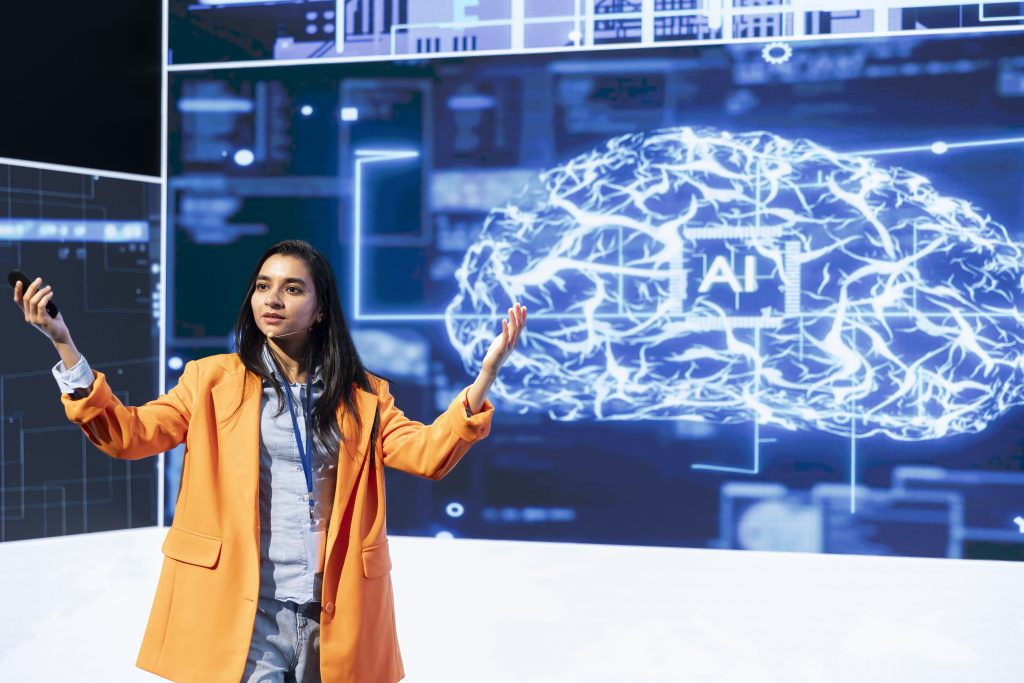
The world has changed rapidly due to technological progress, leading to the development of new fields of study. For instance, Artificial Intelligence (AI) and Data Science are two areas that currently experience tremendous demand. One can find them everywhere, from social networks to health care systems. Due to their high popularity, it became crucial to study these subjects. Hence, btech artificial intelligence and data science are popular courses among students. Nevertheless, the main question here concerns whether such courses are a good choice for one. Therefore, let us discuss all the nuances of btech artificial intelligence and data science.
If one chooses to become a student of ai and data science engineering, then he or she should get ready to master some particular skills and deal with numerous difficulties. Thus, such a course is perfect for those keen on programming, solving complex tasks, and working with numbers. If a person enjoys learning how machines learn and how to analyze data correctly, then he or she will easily handle such a course and find it interesting.
It goes without saying that btech artificial intelligence and data science imply certain eligibility criteria. First of all, one should finish school successfully and earn decent marks in Physics, Chemistry, and Mathematics. Since such disciplines are important to this major, students will need to master the basics before enrollment. In addition, one should pass certain entrance exams, such as JEE Main or any other exam, depending on the university where a person wants to enrol. Moreover, a person needs to provide certain documentation proving their success in prior education. After fulfilling these conditions, one may start studying this course.
The next step in mastering a btech artificial intelligence and data science is learning all the subjects necessary to become a successful expert in this field. Hence, during studying one will cover such subjects as machine learning, data analytics, deep learning, statistics, and so on. It should be mentioned that btech artificial intelligence and data science engineering include subjects related to the ability to analyze data and create intelligent programs. Moreover, hands-on practice plays an important role.
Another significant advantage of choosing btech artificial intelligence and data science engineering is a wide range of possible job options for graduates of such programs. Nowadays, specialists are needed across many fields, including health care, finance, e-commerce, and IT. Possible job positions here include Data Scientist, AI Engineer, Machine Learning Engineer, Business Analyst, or Data Engineer. All these professions offer challenging opportunities and allow you to earn a lot of money. Thus, a person may start with an annual income of ₹6 to ₹12 LPA and progress from there.
Nevertheless, we should keep in mind that there are certain drawbacks to choosing this course. To study btech artificial intelligence and data science, one should demonstrate devotion, a willingness to study constantly, and a love towards innovative technologies. Students should not forget to stay up to date, which means following the latest trends. Moreover, people who enjoy working with code, large amounts of data, and solving problems will do perfectly well in the field of ai and data science engineering.
Furthermore, the future prospects here are rather good since many industries nowadays seek specialists in ai and data science engineering due to increased data analysis needs. Hence, one should expect that soon there will be even more jobs to apply for in this sphere.
Thus, it turns out that btech artificial intelligence and data science may become very useful for someone since this course provides numerous benefits and allows being a part of an innovative world. In general, the future looks promising for those who decide to choose such a specialization.
Hence, if a person likes working with technologies and loves working with data, he or she might find btech artificial intelligence and data science extremely interesting.



 NU is all about fresh perspectives. So is our website.