 NU is all about fresh perspectives. So is our website.




BTech Artificial Intelligence and Data Science
An advanced BTech course to take you on a high-growth career path.
NIIT University (NU) is offering a 4-year BTech programme in Artificial Intelligence & Data Science (AI & DS) with 177 credits across 8 semesters. This programme is a winning combination of more than eight years of experience in the field of AI & DS and insights from future trends in industry and academic research. The objective of the programme is to groom students to become competent Data Scientists and AI Specialists.
Artificial Intelligence and Data Science is considered the fourth paradigm of science, after Empirical, Theoretical, and Computational paradigms. Our daily lives generate more data than ever before due to the adoption of digital technologies. With the advent of IoT (Internet of Things) and Industry 4.0, the volume of data is growing at an exponential rate. In that wealth of data, lie insights that can be used to change our world for the better. This has led to the matured discipline of Artificial Intelligence and Data Science that involves collection, visualization, processing and modelling of large and complex data sets from different domains and sources.
BTech Artificial Intelligence and Data Science Programme will give students the knowledge, skills and tools needed to handle complex data from all possible domains. It is a 4-year undergraduate programme that prepares students to acquire, manage, and elicit meaning from data for improved decision-making in the business world.
NIIT University introduces flexible industry and research engagement
In keeping with NU’s Core Principle of Industry-linked, BTech AI & DS students undertake a compulsory six-month or 1-year Industry Practice (IP) at the industry site and are jointly supervised by industry and faculty mentors.
Industry Practice (IP) has been widely appreciated by NU’s industry partners with a majority of students been given a pre-placement offer (PPO). Industry organisations have also expressed interest in longer duration IP.
Further NEP 2020 (National Education Policy 2020) too actively encourages internships with industry to improve employability of students. It also suggests offering research internship opportunities with faculty researchers in own institution or other institutions and research organisations. This has been reflected in UGC and AICTE policy and guidelines.
With this in mind, NU provides undergraduate students with three curricular architectures, including a revolutionary 1-Year Research Practice in the place of a single fixed architecture. This gives flexibility to students to craft their own industry/research engagement keeping their preference and motivation by choosing any one of the three curricular architectures.
The three curricular architectures are as follows:
- Curricular architecture 1: 6-month Industry Practice in the final eighth semester
- Curricular architecture 2: 1-Year Industry Practice spreading across two semesters in the final year
- Curricular architecture 3: 1-Year Research Practice spreading across two semesters in the final year
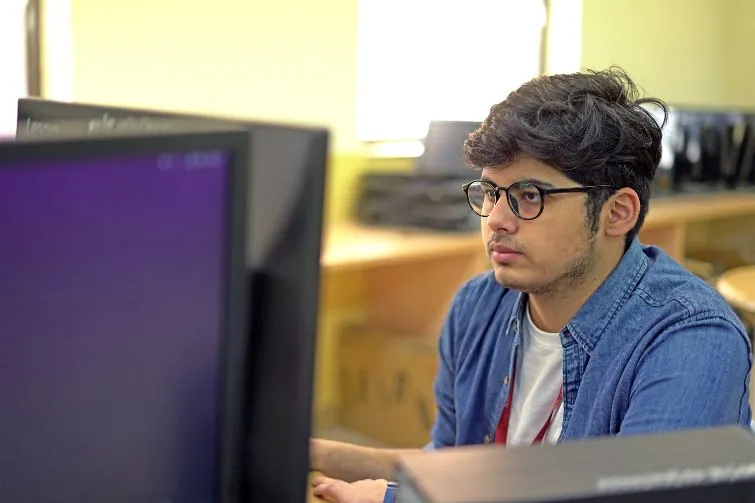
BTech Artificial Intelligence and Data Science – Distinguishing Features
Like all our other flagship programmes, the BTech Artificial Intelligence and Data Science Programme is designed around NU’s core principles of providing industry-linked, technology-based, research-driven and seamless education.
Our BTech Artificial Intelligence and Data Science programme is an advanced programme designed to place you on a high-growth career trajectory. Here’s how:
Consistent with our core principle of industry-linkage, the hallmark of the NU B Tech Artificial Intelligence and Data Science programme is its deep rootedness into industry. Industry professionals work as mentors along with NU faculty giving our students the dual advantage of academic rigor and industry relevance. The curriculum has been designed by faculty, data scientists and industry subject matter experts.
We are very impressed with both the skills and attitude of NU graduates who have gone through the Analytics and Cognitive (Data Science) programme. They demonstrate terrific aptitude and attitude towards learning. We need more such graduates and they are performing significantly above the mass hired engineering graduates we hire from the top engineering institutions. The curriculum for the program is jointly designed by IBM (Cognitive group) and NU faculty and reflects the dynamic and changing requirements in the market place.” — Vijay Muralidaran, Data Science Leader, Cognitive & Advance Analytics CIC, IBM.
The programme offers an immersive experience. Students of BTech Artificial Intelligence and Data Science work on two capstone projects, one research & development project, and engage in a 6-month long Industry Practice.
Students opting for 1-Year Industry Practice or Research Practice will undertake one Capstone project and engage in Industry Practice or Research Practice during the last two semesters.
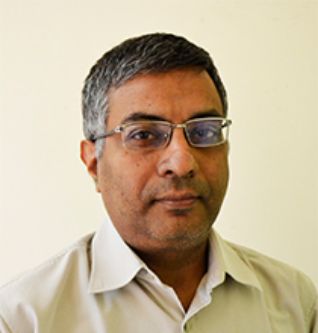
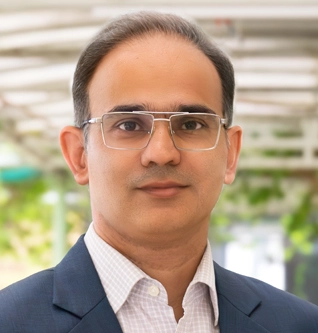
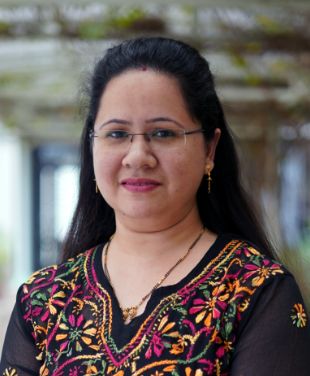
Faculty in the BTech Artificial Intelligence and Data Science Programme at NU are from well-known universities like IIT-ISM Dhanbad; Missouri University of Science and Technology, Missouri, USA; Ohio University, Ohio, USA; and University of Minnesota, Minneapolis, USA. Our faculty comes with rich prior work experience in teaching, research, industry and the government. Their research has been published in several international journals and conference proceedings.
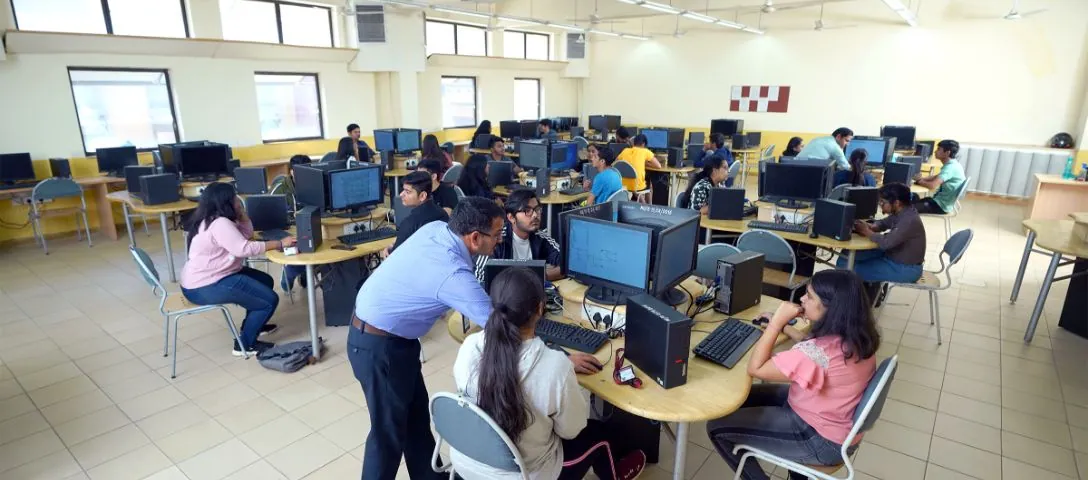
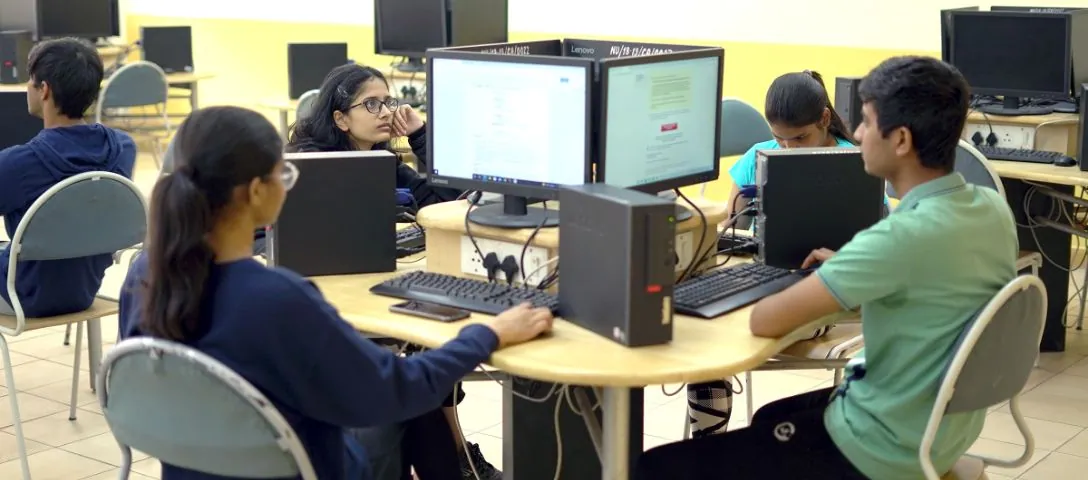
True to the spirit of being a technology-based university, NU offers advanced computing machines, software, cloud services and high-tech laboratories to aid students in their learning journey.
Several unique teaching methods are integrated into the project-based learning approach at NU. This approach helps students to develop independent learning skills and builds a deeper understanding of subjects.
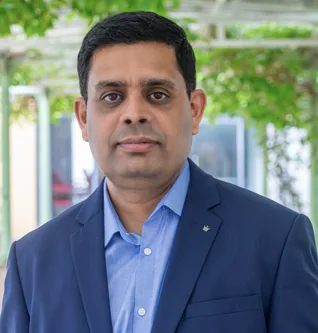
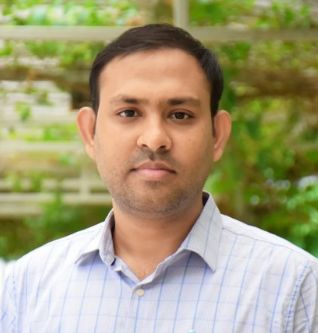
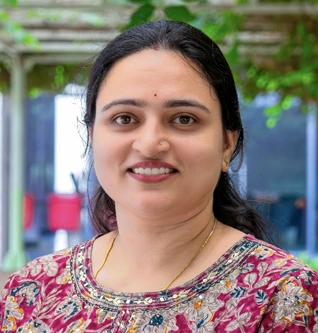
Meet our faculty


BTech Artificial Intelligence and Data Science – Course Outline
| Course category | Credits |
|---|---|
| Mathematics and Basic Sciences (MBS) | 20 |
| Engineering Sciences (ESC) | 14 |
| Humanities and Social Sciences (HSS) | 18 |
| Professional Core Course (PCC) | 28 |
| Artificial Intelligence and Data Science Core Course (DS) | 32 |
| Professional Electives Course (PEC) | 20 |
| Open Electives Course (OEC) | 12 |
| Project Work, Internship and Industry Practice (PRJ) | 32 |
| Environmental Sciences (EVS) | Audit Course |
| Total credits | 177 |
List of Professional Elective Courses in Artificial Intelligence and Data Science
01.
02.
03.
04.
05.
06.
07.
08.
09.
10.
11.
12.
Data Mining
13.
Computer Vision
14.
Business Analytics
15.
Predictive Modelling for Data Science
16.
Big Data Concepts
17.
Artificial Neural Network
18.
Machine Learning
19.
Information Retrieval
20.
Web Intelligence and Algorithms
BTech AI and Data Science – Course Architecture – 6 month IP (Industry Practice)
Year I (Semester I & Semester II)
| # | Course code | Course | L | T | P | C |
|---|---|---|---|---|---|---|
|
1 |
MAT 112 | Calculus | 3 | 1 | 0 | 4 |
|
2 |
Science – I | 3 | 0 | 2 | 4 | |
|
3 |
EL 111 | Fundamentals of Electronics | 3 | 0 | 2 | 4 |
|
4 |
TA 111 | Fundamentals of Computer Programming | 2 | 0 | 4 | 4 |
|
5 |
TA 202/ TA 212 | Engineering Graphics / Workshop Practice | 2/1 | 0 | 2/4 | 3 |
|
6 |
TA 102 | Communication Skills | 2 | 0 | 2 | 3 |
|
7 |
NU 111 | Community Connect | 0 | 0 | 2 | 1 |
| Total Semester L-T-P-C | 13 | 1 | 12 | 23 |
| # | Course code | Course | L | T | P | C |
|---|---|---|---|---|---|---|
| 1 | MAT 101 | Algebra and Differential Equations | 3 | 1 | 0 | 4 |
| 2 | Science – II | 3 | 0 | 2 | 4 | |
| 3 | CS 102 | Data Structures | 3 | 0 | 2 | 4 |
| 4 | EL 101 | Digital Logic and Circuit | 3 | 0 | 2 | 4 |
| 5 | TA 212/ TA 202 | Workshop Practice/Engineering Graphics | 2/1 | 0 | 4/2 | 3 |
| 6 | HSSM-I | 3 | 0 | 0 | 3 | |
| 7 | NU 111 | Community Connect | 0 | 0 | 2 | 1 |
| 8 | Total Semester L-T-P-C | 15 | 1 | 10 | 24 |
Year II (Semester III & Semester IV)
At the beginning of the third semester, each student will enter his/her chosen area (AI and Data Science). Students are required to complete 46 credits in Year II (Semester III & Semester IV).
| # | Course code | Course | L | T | P | C |
|---|---|---|---|---|---|---|
| 1 | MAT 221 | Probability & Random Process | 3 | 1 | 0 | 4 |
| 2 | CS 122 | Computer Architecture and Organization | 3 | 0 | 2 | 4 |
| 3 | CS 201 | Design and Analysis of Algorithms | 3 | 0 | 2 | 4 |
| 4 | CS 232 | Discrete Mathematics | 3 | 1 | 0 | 4 |
| 5 | CS 251 | Object Oriented Programming | 2 | 0 | 4 | 4 |
| 6 | CS 322 | Artificial Intelligence | 3 | 0 | 2 | 4 |
| 7 | NU 211 | Community Connect | 0 | 0 | 2 | 1 |
| Total semester L-T-P-C | 17 | 2 | 12 | 25 |
| # | Course code | Course | L | T | P | C |
|---|---|---|---|---|---|---|
| 1 | CS 231 | Database Management Systems | 3 | 0 | 2 | 4 |
| 2 | EL 302 | Digital Image Processing | 3 | 0 | 2 | 4 |
| 3 | CS 211 | Operating Systems | 3 | 0 | 2 | 4 |
| 4 | DS 412 | Inferential Statistics for Data Science | 3 | 0 | 2 | 4 |
| 5 | CS 212 | Computer Networks and Data Communication | 3 | 0 | 2 | 4 |
| 6 | CS 4131 | Machine Learning | 3 | 0 | 2 | 4 |
| 7 | NU 212 | Community Connect | 0 | 0 | 2 | 1 |
| Total semester L-T-P-C | 18 | 0 | 14 | 25 |
Year III (Semester V & Semester VI)
| # | Course code | Course | L | T | P | C |
|---|---|---|---|---|---|---|
| 1 | DS 401 | Numerical Methods for Data Science | 3 | 1 | 0 | 4 |
| 2 | CS 3132 | Cloud Computing Concepts (from CSE PE – Sem-VI) | 3 | 0 | 2 | 4 |
| 3 | CS 4261 | Natural Language Processing & Text Analytics | 3 | 0 | 2 | 4 |
| 4 | CS 4101 | Introduction to Linear and Non-linear Optimization (OE) | 3 | 1 | 0 | 4 |
| 5 | DS 432 | Predictive Modeling for Data Science | 3 | 0 | 2 | 4 |
| 6 | HSSM-II | 3 | 0 | 0 | 3 | |
| 7 | NU 311 | Community Connect | 0 | 0 | 2 | 1 |
| Total semester L-T-P-C | 18 | 2 | 8 | 24 |
| # | Course code | Course | L | T | P | C |
|---|---|---|---|---|---|---|
| 1 | CS 3102 | Dimensional and NoSQL Databases | 2 | 0 | 4 | 4 |
| 2 | Professional Elective – I | 3 | 0 | 2 | 4 | |
| 3 | Professional Elective – II | 3 | 0 | 2 | 4 | |
| 4 | CS 392 | Capstone Project – I | 2 | 0 | 4 | 4 |
| 5 | NU 302 | R & D Project | 1 | 0 | 6 | 4 |
| 6 | HSSM-III | 3 | 0 | 0 | 3 | |
| 7 | NU 312 | Community Connect | 0 | 0 | 2 | 1 |
| Total semester L-T-P-C | 14 | 0 | 20 | 24 |
Year IV (Semester VII &Semester VIII)
BTech Artificial Intelligence and Data Science – Course Architecture – 1 Year IP/RP (Industry Practice/Research Practice)
| Course Code | Course Title | L | T | P | C |
|---|---|---|---|---|---|
| MAT 112 | Calculus | 3 | 1 | 0 | 4 |
| EL 111 | Fundamentals of Electronics | 3 | 0 | 2 | 4 |
| Science-I | 3 | 0 | 2 | 4 | |
| TA 111 | Fundamentals of Computer Programming | 2 | 0 | 4 | 4 |
| TA 202 | Engineering Graphics / Workshop Practice | 2 | 0 | 2 | 3 |
| 1 | 0 | 4 | 3 | ||
| TA 102 | Communication Skills / HSSM-I | 2 | 0 | 2 | 3 |
| NU 111 | Community Connect | 0 | 0 | 2 | 1 |
| Total Semester L-T-P-C | 15 | 2 | 10 | 22 |
| Course Code | Course Title | L | T | P | C |
|---|---|---|---|---|---|
| MAT 101 | Algebra and Differential Equations | 3 | 1 | 0 | 4 |
| Science II | 3 | 0 | 2 | 4 | |
| EL 101 | Digital Logic and Circuit | 3 | 0 | 3 | 4 |
| CS 102 | Data Structures | 3 | 0 | 2 | 4 |
| TA 202 | Engineering Graphics / Workshop Practice | 2 | 0 | 2 | 3 |
| TA 102 | Communication Skills / HSSM-I | 2 | 0 | 2 | 3 |
| NU 112 | Community Connect | 0 | 0 | 2 | 1 |
| Total Semester L-T-P-C | 16 | 1 | 10 | 22 |
| Course Code | Course Title | L | T | P | C |
|---|---|---|---|---|---|
| MAT 221 | Probability & Random Process | 3 | 1 | 0 | 4 |
| CS 122 | Computer Architecture and Organization | 3 | 0 | 2 | 4 |
| CS 201 | Design and Analysis of Algorithms | 3 | 0 | 2 | 4 |
| CS 232 | Discrete Mathematics | 3 | 1 | 0 | 4 |
| CS 251 | Object Oriented Programming | 2 | 0 | 4 | 4 |
| CS 322 | Artificial Intelligence | 3 | 0 | 2 | 4 |
| NU 211 | Community Connect | 0 | 0 | 2 | 1 |
| Total Semester L-T-P-C | 17 | 2 | 10 | 24 |
| Course Code | Course Title | L | T | P | C |
|---|---|---|---|---|---|
| CS 231 | Database Management Systems | 3 | 0 | 2 | 4 |
| EL 302 | Digital Image Processing | 3 | 0 | 2 | 4 |
| CS 211 | Operating Systems | 3 | 0 | 2 | 4 |
| DS 412 | Inferential Statistics for Data Science | 3 | 0 | 2 | 4 |
| CS 212 | Computer Networks and Data Communication | 3 | 0 | 2 | 4 |
| HSSM-II | 3 | 0 | 0 | 3 | |
| NU 212 | Community Connect | 0 | 0 | 2 | 1 |
| Total Semester L-T-P-C | 18 | 0 | 10 | 23 |
| Course Code | Course Title | L | T | P | C |
|---|---|---|---|---|---|
| CS 4131 | Machine Learning | 3 | 0 | 2 | 4 |
| CS 3132 | Cloud Computing Concepts | 3 | 0 | 2 | 4 |
| CS 4261 | Natural Language Processing & Text Analytics | 3 | 0 | 2 | 4 |
| DS 432 | Predictive Modeling for Data Science | 3 | 0 | 2 | 4 |
| Professional Elective – I | 3 | 0 | 2 | 4 | |
| Professional Elective – II | 3 | 0 | 2 | 4 | |
| NU 311 | Community Connect | 0 | 0 | 2 | 1 |
| Total Semester L-T-P-C | 18 | 0 | 10 | 23 |
| Course Code | Course Title | L | T | P | C |
|---|---|---|---|---|---|
| Professional Elective – III | 3 | 0 | 2 | 4 | |
| Professional Elective – IV | 3 | 0 | 2 | 4 | |
| Professional Elective – V | 3 | 0 | 2 | 4 | |
| CS 392 | Capstone Project – I | 2 | 0 | 4 | 4 |
| NU 302 | R & D Project | 1 | 0 | 6 | 4 |
| HSSM-III | 3 | 0 | 0 | 3 | |
| NU 312 | Community Connect | 0 | 0 | 2 | 1 |
| Total Semester L-T-P-C | 15 | 0 | 16 | 23 |
| Course Code | Course Title | L | T | P | C |
|---|---|---|---|---|---|
| Open Elective – I | 3 | 0 | 2 | 4 | |
| Open Elective – II | 3 | 0 | 2 | 4 | |
| Industry Practice-I / Research Practice-I | 0 | 0 | 24 | 12 | |
| Total Semester L-T-P-C | 6 | 0 | 28 | 20 |
| Course Code | Course Title | L | T | P | C |
|---|---|---|---|---|---|
| NU 402 | Industry Practice-II / Research Practice-II | 0 | 0 | 40 | 20 |
| Total Semester L-T-P-C | 0 | 0 | 40 | 20 |
| Total Credits | 177 |
Programme outcomes
PO1
Engineering knowledge
Apply the knowledge of Mathematics, Science, fundamentals of Engineering and an engineering specialisation to the solution of complex engineering problems.
PO2
Problem analysis
Identify, formulate, review research literature, and analyse complex engineering problems to reach substantiated conclusions using first principles of Mathematics, Natural Sciences, and Engineering Sciences.
PO3
Design/Develop solutions
Design solutions for complex engineering problems and system components or processes that meet specified needs with appropriate consideration for public health and safety, and cognisant of cultural, societal, and environmental considerations.
PO4
Conduct investigations of complex problems
Use research-based knowledge and research methods including design of experiments, analysis and interpretation of data, and synthesise information to provide valid conclusions.
PO5
Modern tool usage
Create, select, and apply appropriate techniques, resources, and modern engineering and IT tools including prediction and modelling to complex engineering activities with an understanding of the limitations.
PO6
The engineer and society
Apply reasoning informed by contextual knowledge to assess societal, health, safety, legal and cultural issues, and the consequent responsibilities relevant to the professional engineering practice.
PO7
Environment and sustainability
Understand the impact of professional engineering solutions in societal and environmental contexts, and demonstrate the knowledge of, and need for sustainable development.
PO8
Ethics
Apply ethical principles and commit to professional ethics and responsibilities and norms of the engineering practice.
PO9
Individual and teamwork
Function effectively as an individual, and as a member or leader in diverse teams, and in multidisciplinary settings.
PO10
Communication
Communicate effectively on complex engineering activities with the engineering community and with society at large. This includes being able to comprehend and write effective reports and design documentation, make effective presentations, and give and receive clear instructions.
PO11
Project management and finance
Demonstrate knowledge and understanding of engineering and management principles and apply these to one’s own work, as a member and/or leader in a team, to manage projects in multidisciplinary environments.
PO12
Life-long learning
Recognise the need for, and have the preparation and ability to, engage in independent and life-long learning in the broadest context of technological change.
Programme Specific Outcomes for AI and Data Science
PSO1
Understand, analyze and develop essential proficiency in the areas related to AI and Data Science along with underlying statistical and computational principles, optimization techniques to solve practical problems.
Ability to develop solutions for prediction and forecasting to industry and societal needs in a rapid changing technological environment and communicate with clients as an entrepreneur.
Ability to develop solutions for prediction and forecasting to industry and societal needs in a rapid changing technological environment and communicate with clients as an entrepreneur.